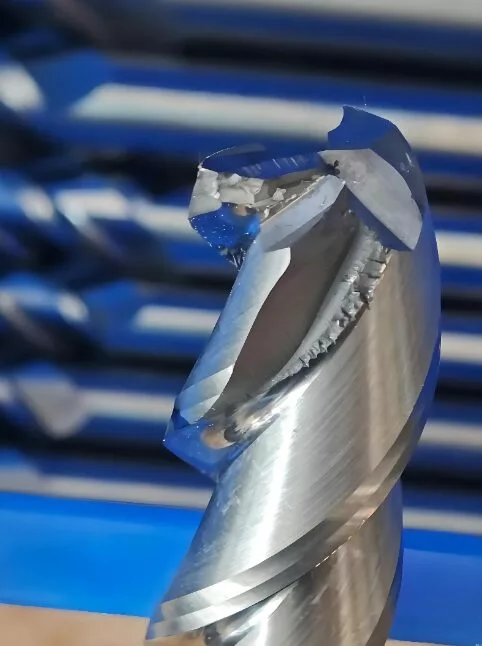
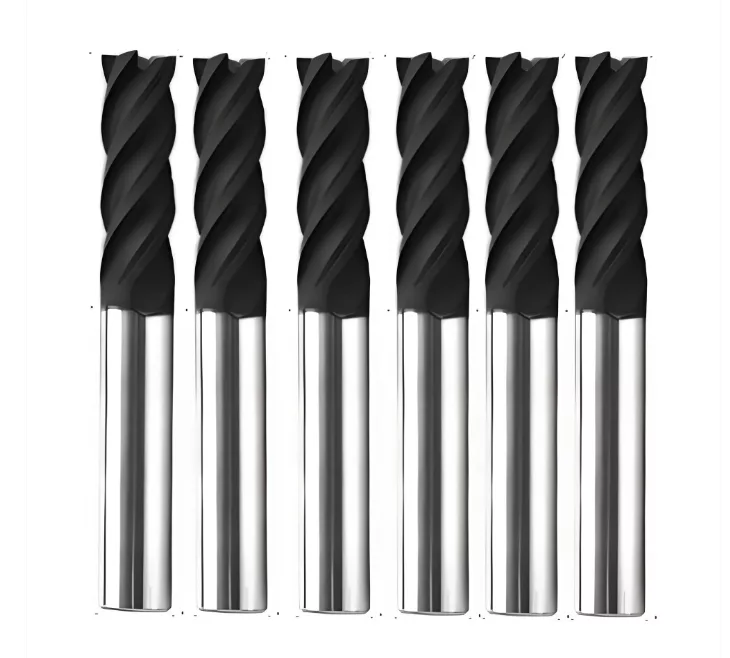
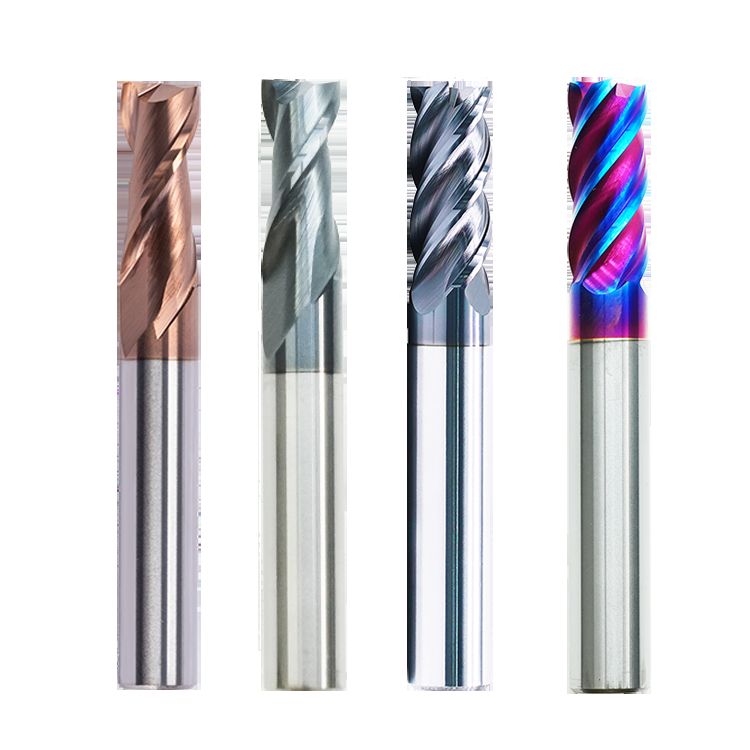
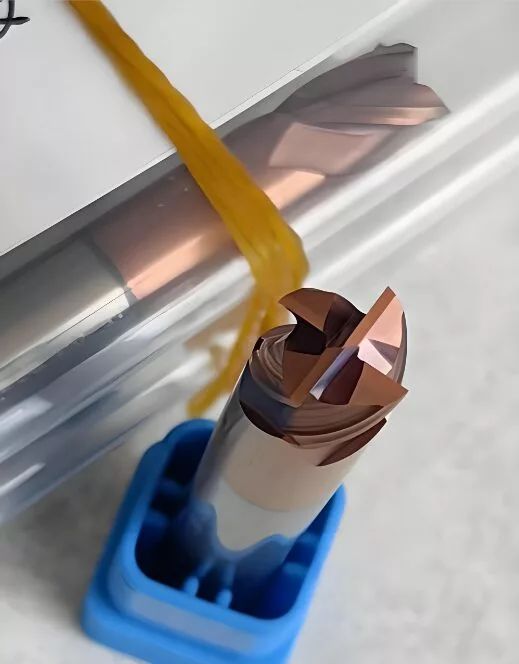
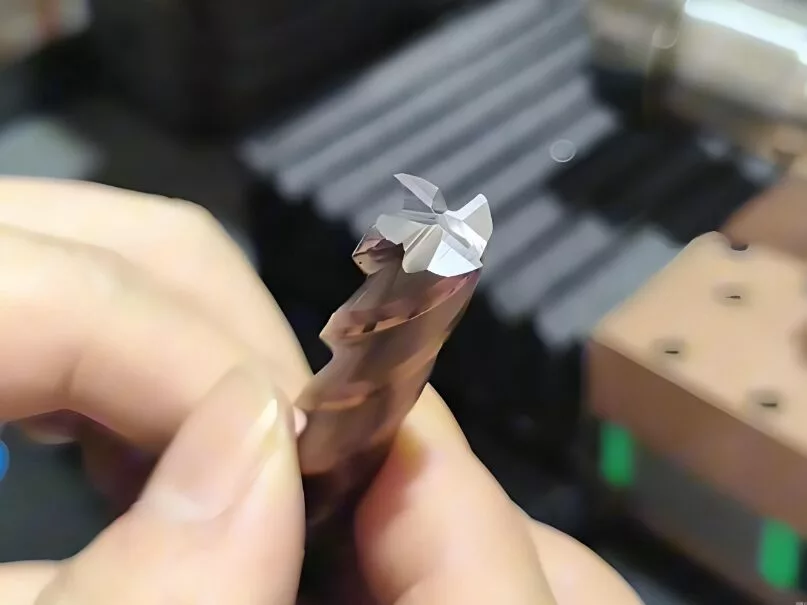
Chipping of milling cutters is a common failure affecting production efficiency and product quality in mechanical processing. As typical failure modes, tool tip chipping, middle cutting edge chipping, and large-area chipping have significant differences in their causes. Accurately distinguishing the inducing factors of these three types of chipping is crucial for quickly troubleshooting problems and […]
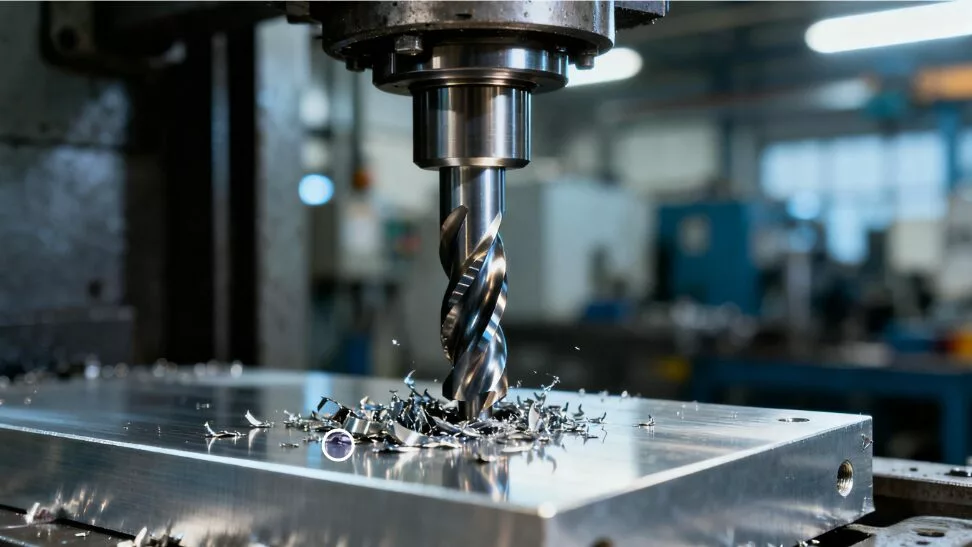
Aluminum alloy is widely used in automotive, aerospace, and 3C manufacturing due to its light weight, high strength, and good formability. However, its inherent softness, low melting point, and strong adhesion pose significant challenges to milling operations—common issues include built-up edge (BUE), rapid tool wear, and poor surface finish. Diamond coatings have emerged as a […]
Damaged milling cutter coatings can be addressed, but true localized repair is technically unfeasible for severe damage. Minor surface flaws may be mitigated through targeted treatments, while significant damage requires complete coating stripping and re-coating to restore performance. 1. Feasibility of Repair: Key Determinants The ability to address coating damage hinges on three core factors, […]
Hardness and toughness are mutually restrictive yet indispensable core properties of milling cutters. Hardness directly determines wear resistance and cutting precision, while toughness influences impact resistance and chipping resistance. In industrial machining, it is necessary to accurately determine the priority selection direction based on factors such as workpiece material, process requirements, and equipment conditions to […]
In the field of milling, the AE/D ratio stands as one of the core technical indicators for evaluating the rationality of machining parameters, directly correlating with tool life, machining efficiency, workpiece quality, and production costs. Numerous process handbooks and senior engineers recommend its reasonable range as 20%-40%. This conclusion is not a subjective empirical judgment, […]
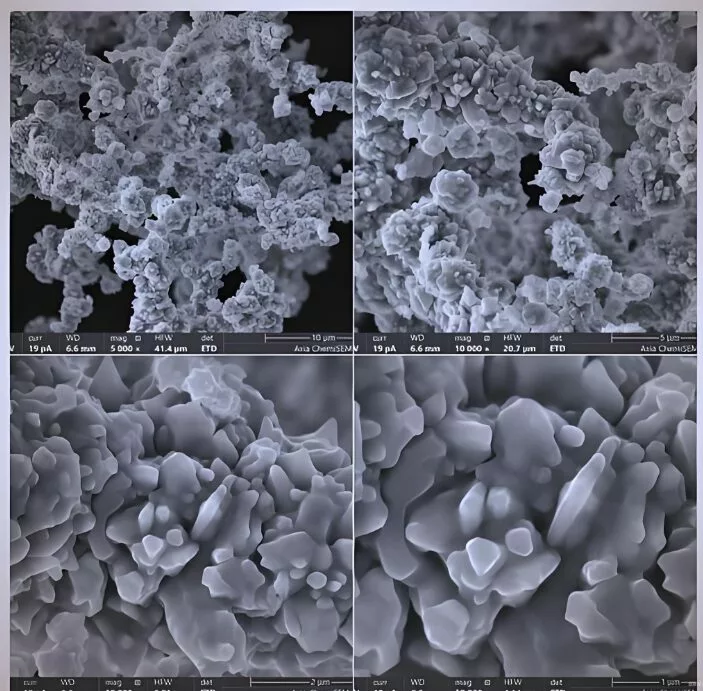
Cemented carbides are the most widely used material for milling cutters, thanks to their exceptional combination of hardness, wear resistance, and mechanical strength. Among the various types of cemented carbides, ultrafine-grained cemented carbide (UFCC) and conventional cemented carbide (CCC) are two dominant options in industrial milling applications. The core difference lies in the grain size of tungsten carbide (WC) […]
Abstract Solid carbide end mills are indispensable in modern machining, valued for their wear resistance and precision. A common question in manufacturing circles revolves around their maximum regrinding potential. This article explores the key factors influencing regrinding cycles, industry benchmarks, and best practices to optimize tool lifespan. Practical data shows that high-quality solid carbide end […]
In modern precision machining, the selection of cutting tools directly impacts processing efficiency, workpiece quality, and overall production costs. Polycrystalline Diamond (PCD), Cubic Boron Nitride (CBN), and Ceramic end mills are three advanced cutting tool materials, each with unique physical and chemical properties that define their specialized applications. This article explores their respective use cases, […]
Many mechanical components feature internal bore grooves. Most annular grooves are positioned close to the entrance of the hole, such as snap ring grooves or seal grooves. The most common method for machining internal grooves is radial grooving. Grooving and parting represent a distinct category within turning applications, widely used across various machining scenarios and […]
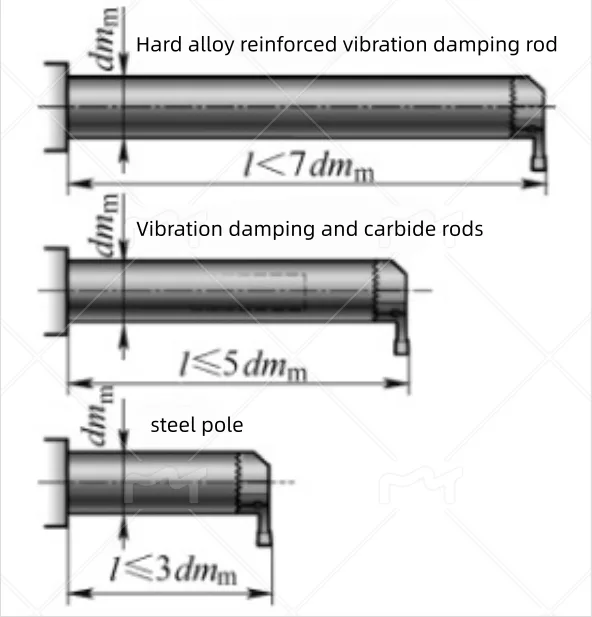
Vibration in milling can occur due to limitations of cutting tools, tool holders, machine tools, workpieces, or fixtures. To minimize vibration, several strategies should be considered. 1. Cutting Tools (1) For face milling, the direction of cutting forces must be considered: When using a 90° milling cutter, cutting forces are mainly radial. This causes tool […]