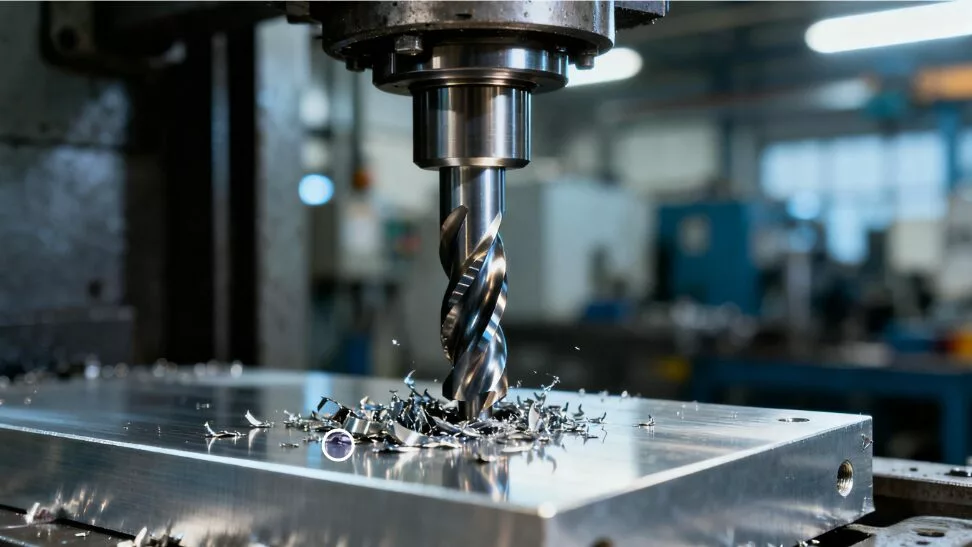
Nickel-based superalloys (e.g., Inconel 718, Hastelloy X, GH4169) are widely used in aerospace, gas turbine, and energy industries due to exceptional mechanical strength, oxidation resistance, and structural stability at 600–1200°C. However, their high work-hardening tendency, poor thermal conductivity, and strong chemical affinity to tool materials make them difficult-to-cut materials. Conventional carbide inserts struggle with high […]
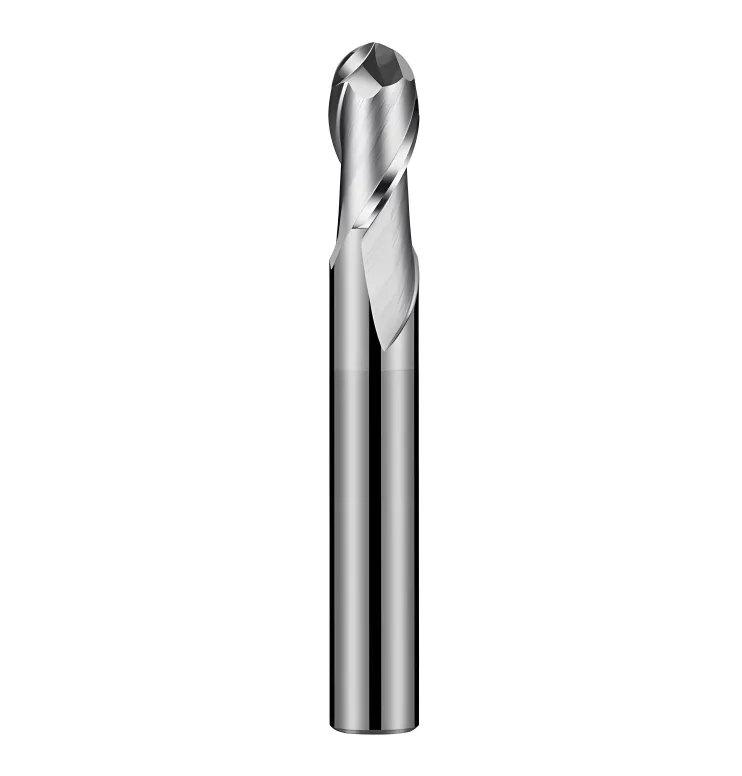
Unveiling the Differences and Applications in Precision Machining In the realm of CNC (Computer Numerical Control) machining, two commonly confused cutting tools—ball nose end mills and CNC router bits—play distinct roles in shaping materials, yet they are often mistaken for interchangeable products. While both are designed to remove material with precision under CNC control, their […]
Abstract Indexable milling inserts are core components of modern metal cutting tools, and their groove design directly determines cutting efficiency, tool life, and workpiece surface quality. There are significant differences in cutting conditions, load requirements, and quality goals between roughing and finishing operations, which require targeted groove design to match. This article focuses on the […]
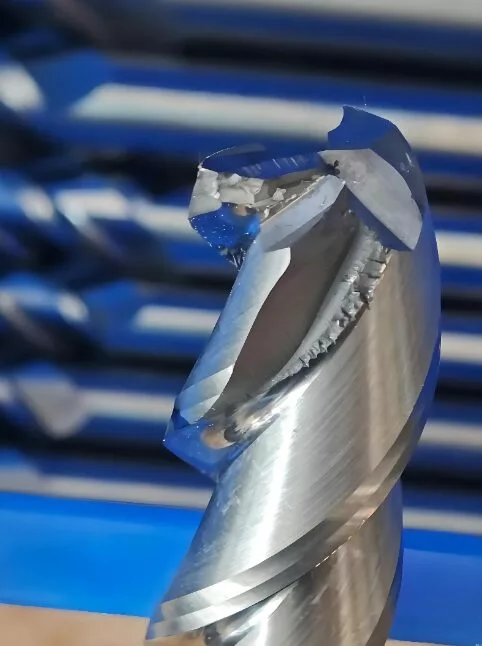
Chipping of milling cutters is a common failure affecting production efficiency and product quality in mechanical processing. As typical failure modes, tool tip chipping, middle cutting edge chipping, and large-area chipping have significant differences in their causes. Accurately distinguishing the inducing factors of these three types of chipping is crucial for quickly troubleshooting problems and […]
Abstract Solid carbide end mills are indispensable in modern machining, valued for their wear resistance and precision. A common question in manufacturing circles revolves around their maximum regrinding potential. This article explores the key factors influencing regrinding cycles, industry benchmarks, and best practices to optimize tool lifespan. Practical data shows that high-quality solid carbide end […]
In modern precision machining, the selection of cutting tools directly impacts processing efficiency, workpiece quality, and overall production costs. Polycrystalline Diamond (PCD), Cubic Boron Nitride (CBN), and Ceramic end mills are three advanced cutting tool materials, each with unique physical and chemical properties that define their specialized applications. This article explores their respective use cases, […]
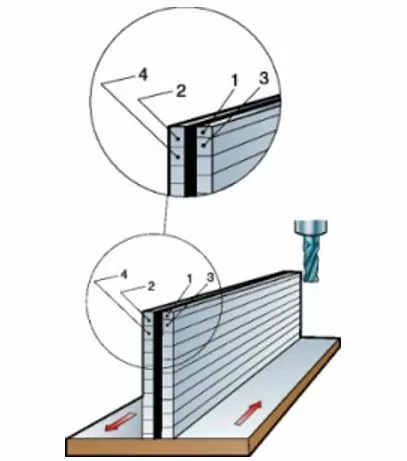
Vibration in milling can occur due to limitations of cutting tools, tool holders, machine tools, workpieces, or fixtures. To minimize vibration, several strategies should be considered. 1. Cutting Tools (1) For face milling, the direction of cutting forces must be considered: When using a 90° milling cutter, cutting forces are mainly radial. This causes tool […]
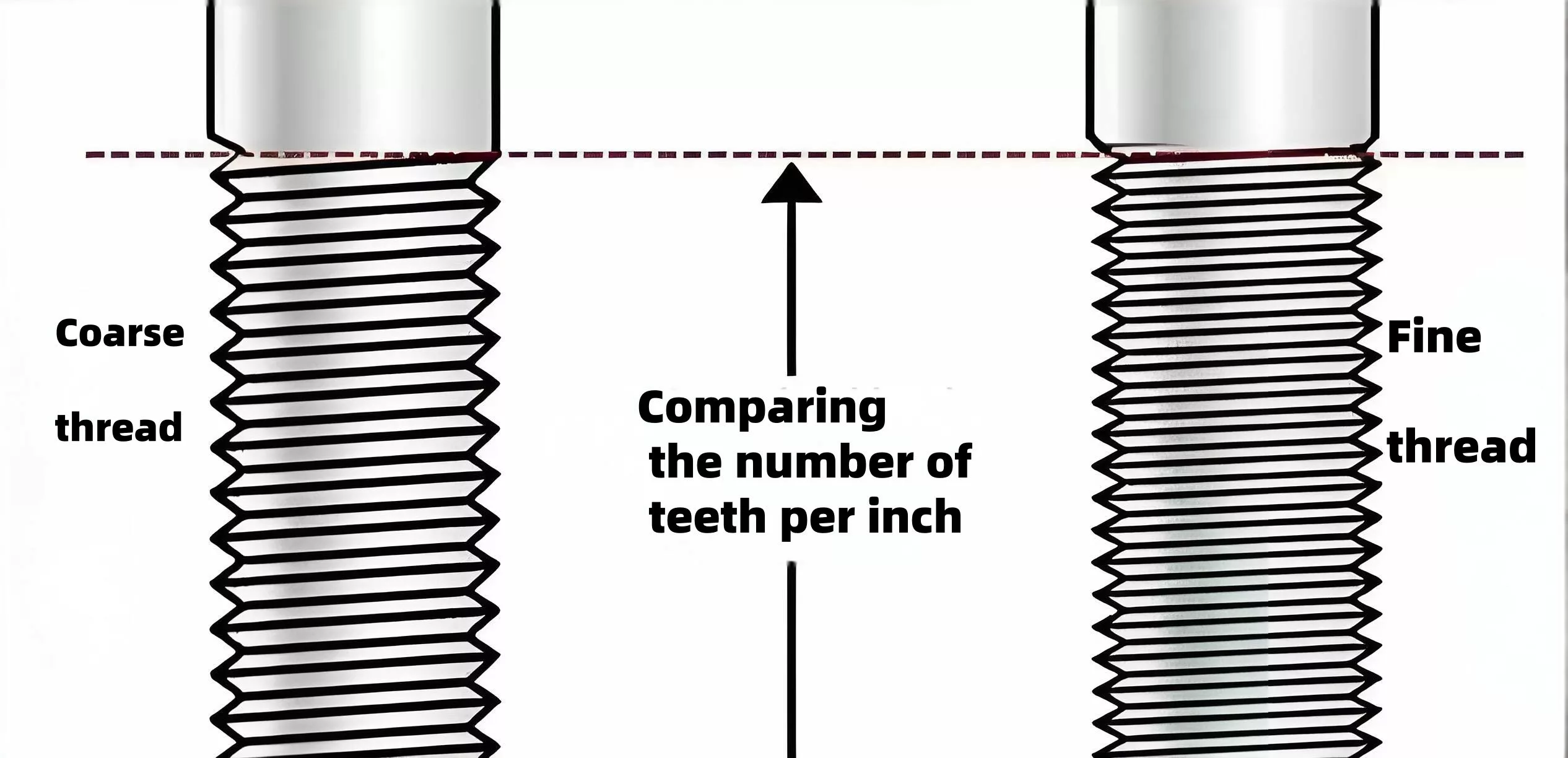
To what degree of precision can a thread be classified as a fine thread? We may define it as follows: coarse threads can be regarded as standard threads, while fine threads are defined in relation to coarse threads. For the same nominal diameter, the number of threads per inch varies, meaning the pitch differs. Coarse […]
During the machining process, vibration and tool chatter are common issues. These problems lead to chatter marks on the workpiece surface, as well as increased rework and scrap rates. Today, saimotools has compiled 12 methods to reduce cutting vibrations in CNC milling machines. 01 Use Sharp Inserts to Reduce Cutting Force Indexable inserts are divided […]
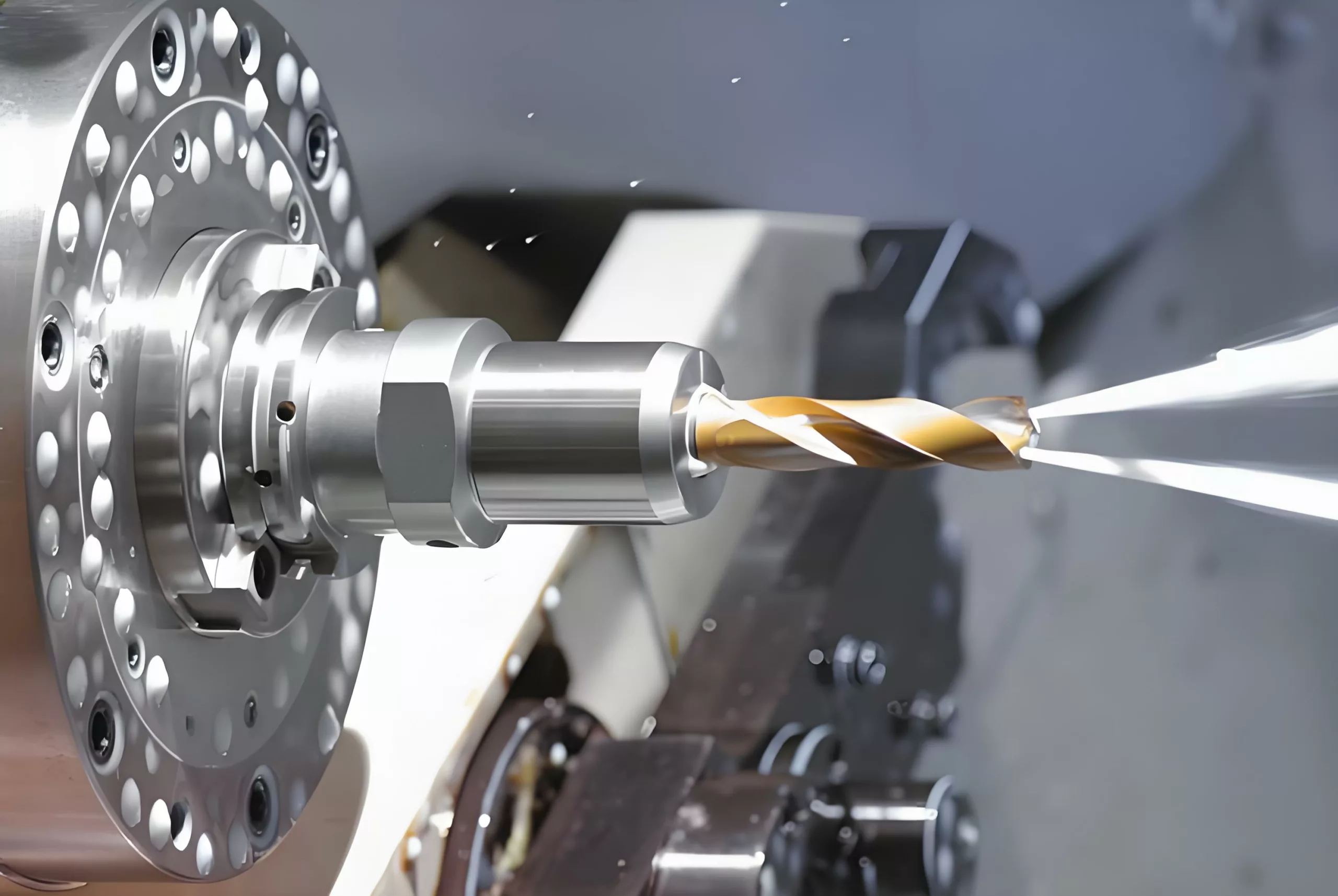
1. Drilling Drilling is the first process for creating holes in solid materials, with the drilled hole diameter typically less than 80mm. There are two drilling methods: One involves the drill bit rotating while the workpiece remains stationary. The other involves the workpiece rotating while the drill bit remains stationary. The errors caused by these […]