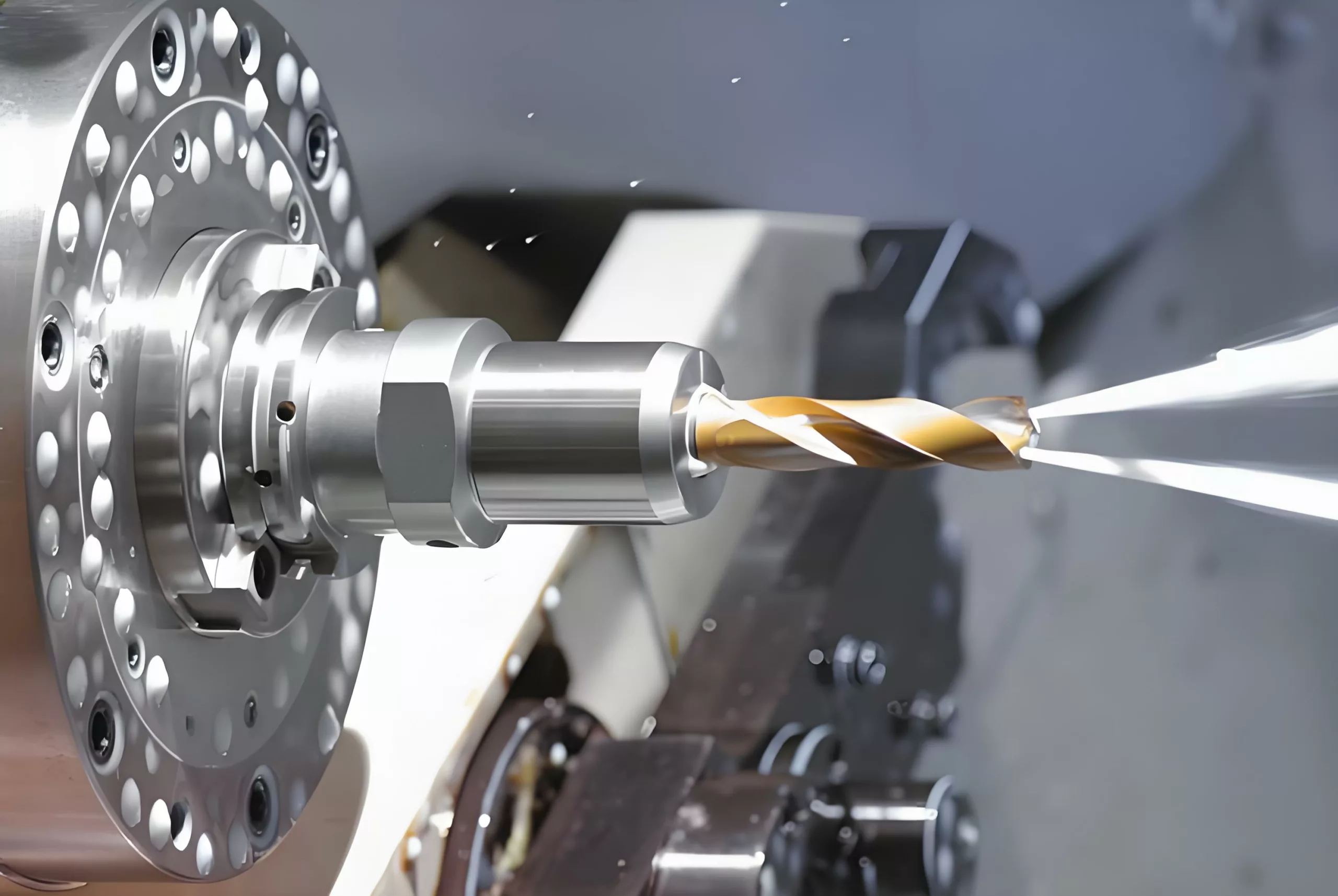
1. Drilling Drilling is the first process for creating holes in solid materials, with the drilled hole diameter typically less than 80mm. There are two drilling methods: One involves the drill bit rotating while the workpiece remains stationary. The other involves the workpiece rotating while the drill bit remains stationary. The errors caused by these […]
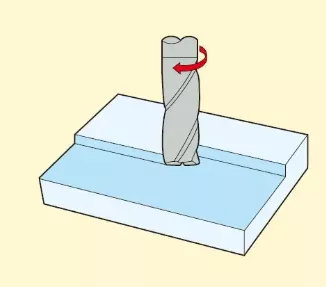
In manufacturing, milling and drilling processes are foundational for shaping workpieces into precise components, each tailored to specific surface, cavity, or contour requirements. From creating flat surfaces to machining complex 3D shapes, the right process selection directly impacts efficiency, precision, and tool life. Below is a detailed breakdown of seven key milling and drilling processes, […]
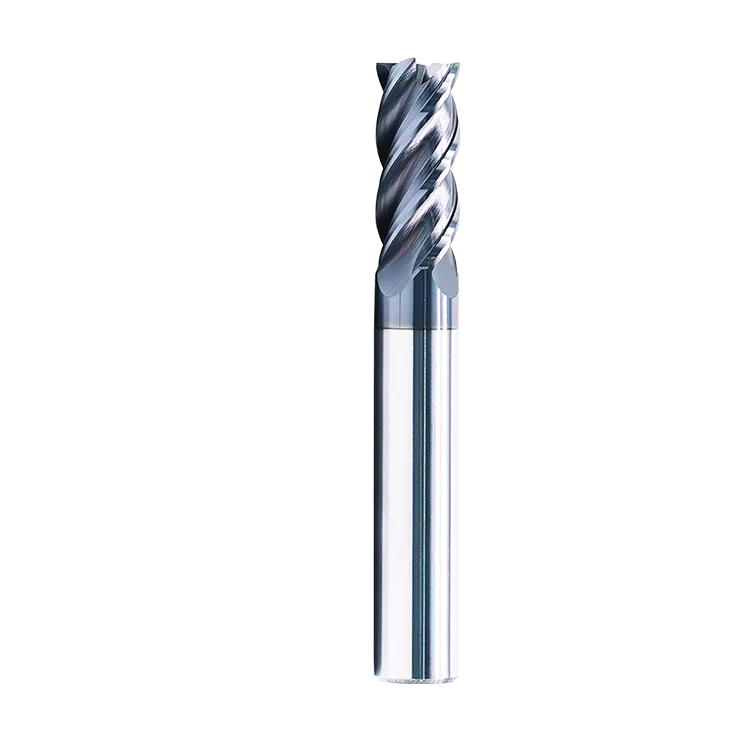
The choice between 2-flute and 4-flute end mills is a critical decision in CNC machining, influencing performance, efficiency, and part quality. While both tools share the fundamental purpose of material removal, their design differences lead to distinct behaviors across cutting forces, chip evacuation, surface finish, and tool life. This article explores these disparities with a […]
Forget the tired "one is rough, one is finish" trope. The face mill vs. fly cutter debate is a deeper clash of engineering philosophies, vibrational warfare, and the subtle art of metal displacement. Let's dissect these titans with fresh eyes. The Core Duality: Orchestra vs. Soloist Face Mill: The Precision Battalion Imagine a synchronized unit. […]
While many factors affect machining outcomes, the helix angle of milling cutters remains a frequently underestimated parameter. Defined as the angle between the tool centerline and a tangent line to the cutting edge, this critical feature directly impacts: Chip evacuation efficiency Surface finish quality Tool lifespan Machining cycle time Helix Angle Classification Low Helix Angles (<40°) […]
Taps are essential cutting tools used to create internal threads in holes. The choice of material—alloy steel or carbon steel—significantly impacts performance, durability, and application suitability. This article compares these two materials in terms of composition, mechanical properties, and practical applications. 1. Material Composition Carbon Steel Taps Primarily composed of iron (Fe) and carbon (C), […]
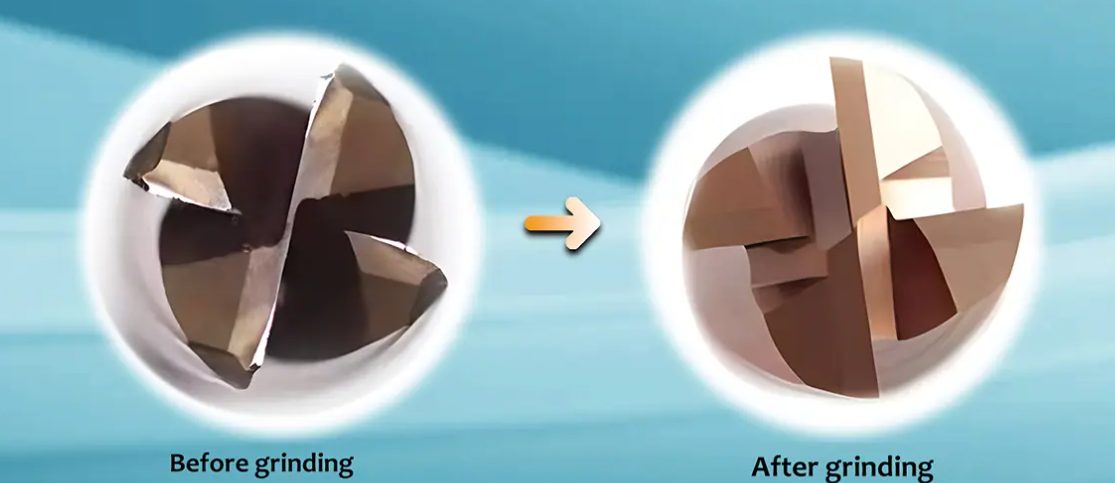
Pre-Grinding Inspection of the Grinding Wheel Before starting the sharpening process, it is crucial to inspect the grinding wheel. If any of the following conditions are detected—wheel runout, irregular cylindrical surface, or excessively large radius on the edges—correction is necessary. This can be achieved using a grinding wheel dresser (such as a diamond dresser or […]
1. Titanium Nitride (TiN) Characteristics: Hardness: TiN has a hardness of around 22-25 GPa. Thermal Stability: It is stable up to 600°C in air. Adhesion: Excellent adhesion to various substrates. Friction: Moderate friction coefficient, typically around 0.4-0.6. Applications: Widely used in cutting tools for general machining applications. Protective coatings for mechanical components to enhance wear […]
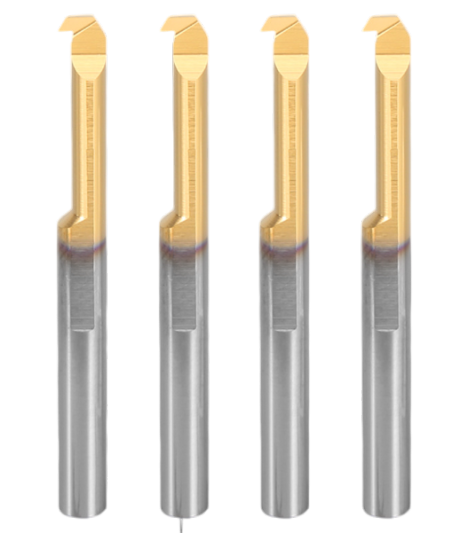
Our lathe boring tools, specifically the micro-diameter MTR/MPR/MUR/MQR series, are designed for precision machining and offer several key advantages for various industrial applications. Advantages Enhanced Durability: These tools are coated with a gold nanocomposite, which significantly extends their service life and ensures high versatility. They can be used on a wide range of materials, including […]
Bull Nose End Mills, also known as corner radius end mills, are versatile cutting tools designed with a rounded edge that combines the benefits of both flat and ball end mills. This unique geometry makes them ideal for a wide range of machining applications, from contouring to surface finishing. Key Features of Bull Nose End […]