To prevent alloy from rusting, you can use the following methods: Protective Coatings: Paint: Apply a layer of paint to create a barrier against moisture and oxygen. Powder Coating: A durable and even coating that provides excellent protection. Galvanizing: Coat the alloy with a layer of zinc to prevent rust. Electroplating: Chromium or Nickel Plating: […]
When transporting milling cutters, attention should be paid to protecting the cutting edges and accuracy of the tools and preventing safety accidents. The specific precautions are as follows: Packaging and Protection Select Appropriate Packaging MaterialsMilling cutters should be packaged in special tool packaging boxes or bags. Soft and cushioning materials such as foam plastics […]
Characteristics High Hardness and Wear Resistance: Quenched steel typically has a hardness above HRC50, so the milling cutter material must have even higher hardness and wear resistance to effectively cut without wear. Good Heat Resistance: A significant amount of heat is generated during the cutting process, and the cutter material needs to maintain high hardness […]
In the field of milling, understanding the parameters that govern the process is crucial for optimizing efficiency, tool life, and surface finish. Two such key parameters are the radial depth of cut (AE) and the axial depth of cut (AP). These parameters play a significant role in determining the performance of the milling operation. Radial […]
The terms "milling" and "cutting" are often used interchangeably in everyday conversations, but they refer to distinct processes in the manufacturing and machining industries. Understanding the differences between these two processes is crucial for anyone involved in these fields. This article aims to clarify the distinctions between milling and cutting, exploring their definitions, applications, and […]
The distinction among the angles of a milling cutter primarily includes the rake angle, relief angle, main cutting edge angle, auxiliary cutting edge angle, and cutting edge inclination. These angles significantly impact the milling cutter's cutting performance, service life, and machined quality. Below is a detailed explanation of these angles and the practical significance of […]
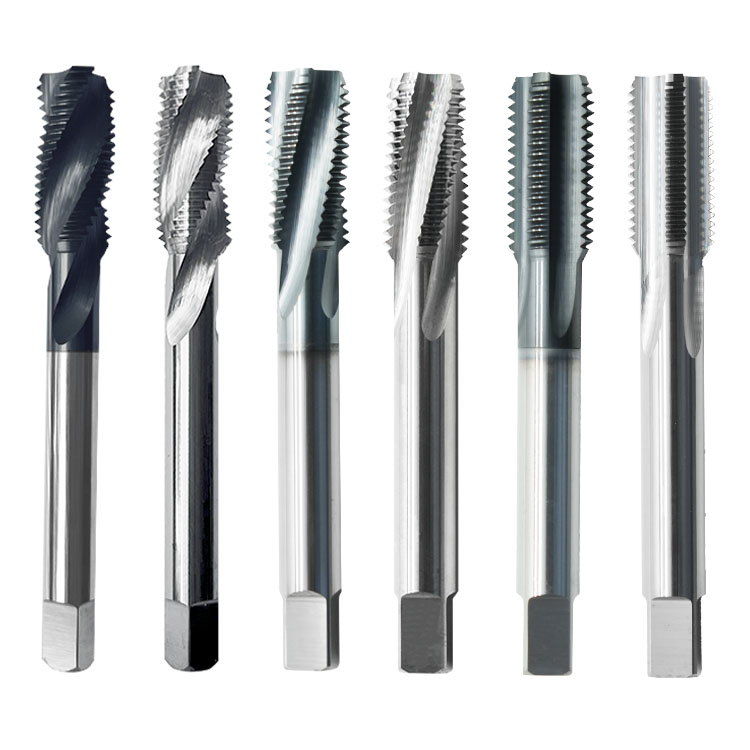
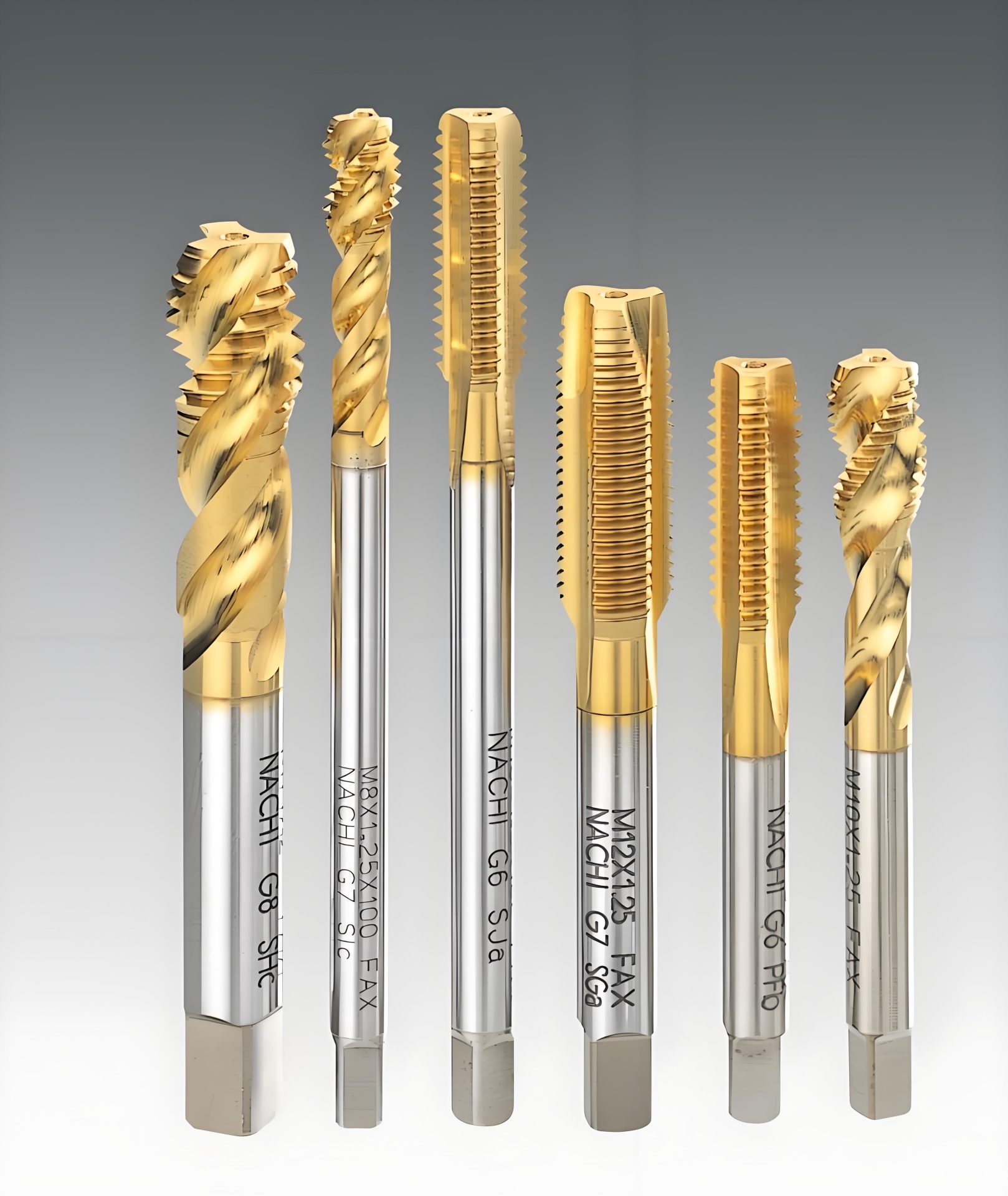
Thread tapping in aluminum extrusion refers to the process of creating threaded holes in aluminum extrusions. Here are the key points for tapping aluminum extrusions, tailored for an English-speaking audience: Selecting the Right Tap: For tapping aluminum extrusions, it is recommended to use extrusion taps. These taps are suitable for materials with plasticity, such as […]
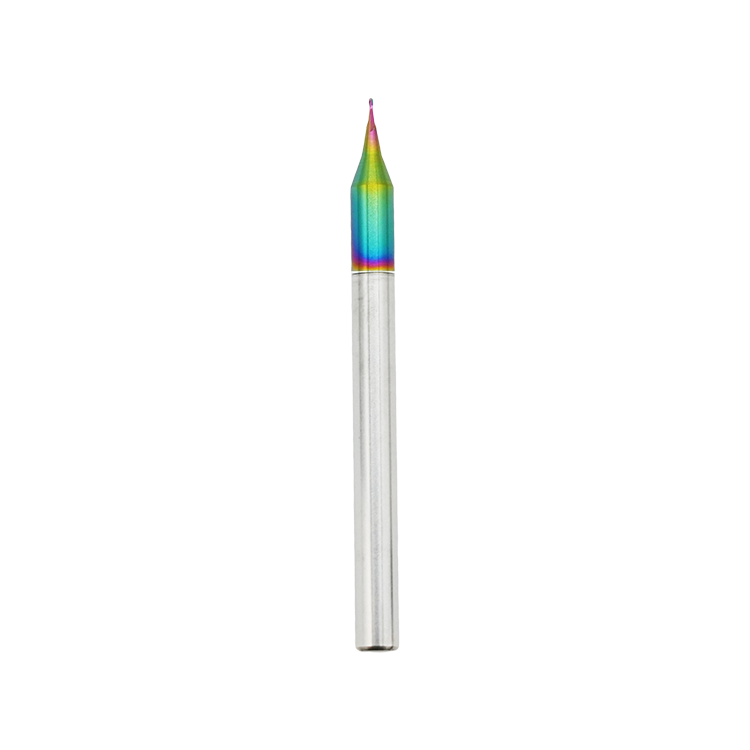
Applications: Tapering ball nose end mills are widely used in industrial manufacturing for precision cutting tasks, especially in 3D contouring and complex surface machining. They are suitable for: Mold making Intricate engraving Heavy-duty detail work requiring 3D effects throughout the design process Additionally, these end mills are utilized in the woodworking, mold, and aerospace industries […]
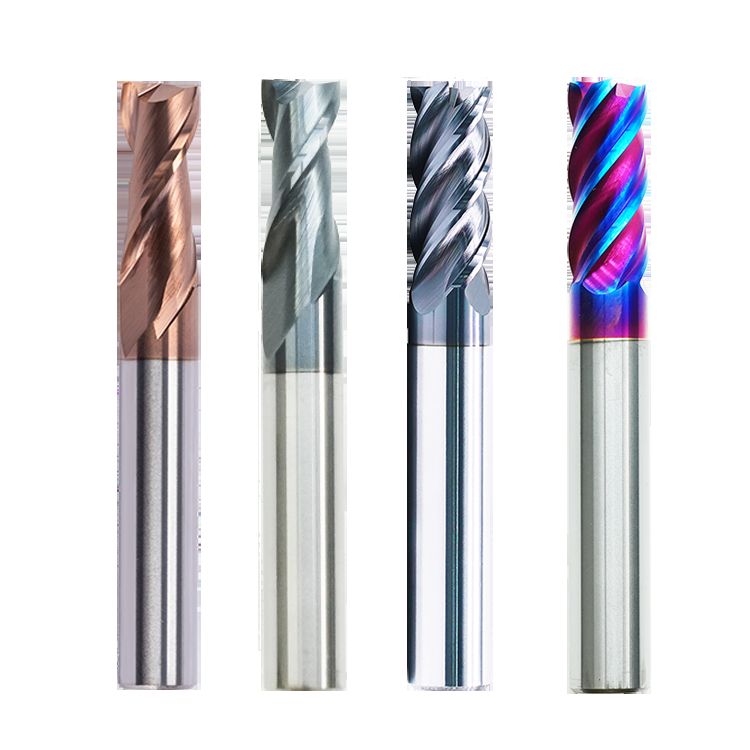
I. Common Types of Milling Cutters Carbide Milling Cutters Advantages: Due to titanium alloy's low elastic modulus, high friction between the tool's rear face and the workpiece, and high cutting temperatures, it is necessary to choose tool materials with good wear resistance and high temperature tolerance. Carbide milling cutters possess high hardness and wear resistance, […]
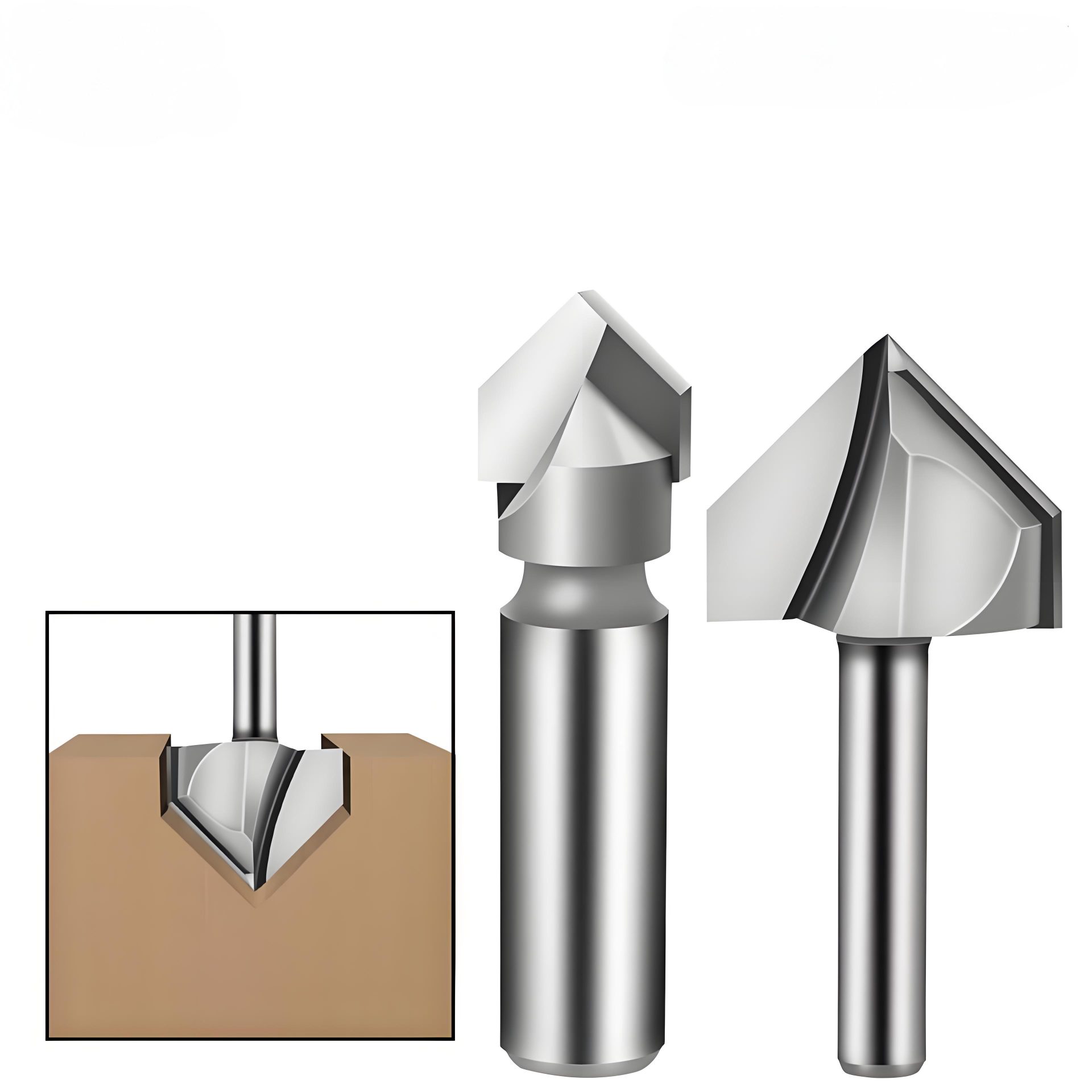
Purpose V-Groove Milling Cutters are indispensable tools for creating V-shaped grooves on workpiece surfaces. Their versatile applications span across various industries: Machinery Manufacturing: Utilized for processing shaft parts, connectors, and other components requiring V-grooves. Automobile Manufacturing: Employed in processing V-grooves on engine parts, transmission parts, and other automotive components. Aerospace: Crucial in precision machining of aircraft, rocket, and […]