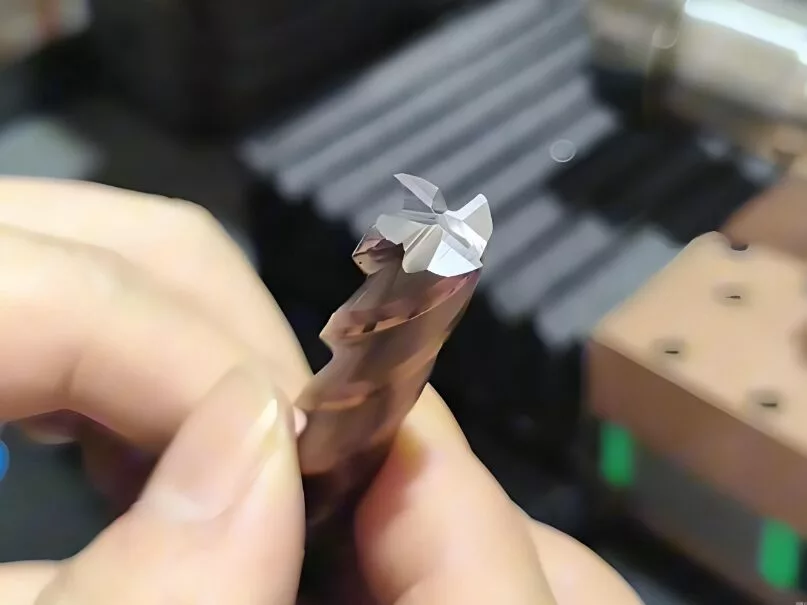
Abstract Solid carbide end mills are indispensable in modern machining, valued for their wear resistance and precision. A common question in manufacturing circles revolves around their maximum regrinding potential. This article explores the key factors influencing regrinding cycles, industry benchmarks, and best practices to optimize tool lifespan. Practical data shows that high-quality solid carbide end […]
In modern precision machining, the selection of cutting tools directly impacts processing efficiency, workpiece quality, and overall production costs. Polycrystalline Diamond (PCD), Cubic Boron Nitride (CBN), and Ceramic end mills are three advanced cutting tool materials, each with unique physical and chemical properties that define their specialized applications. This article explores their respective use cases, […]
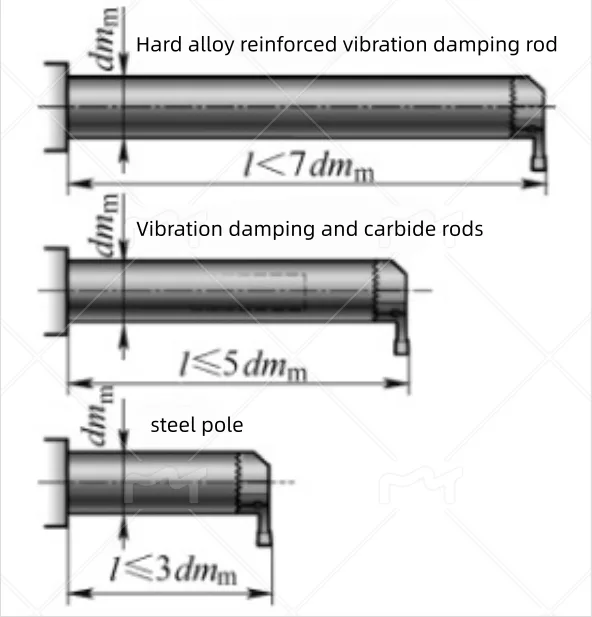
Many mechanical components feature internal bore grooves. Most annular grooves are positioned close to the entrance of the hole, such as snap ring grooves or seal grooves. The most common method for machining internal grooves is radial grooving. Grooving and parting represent a distinct category within turning applications, widely used across various machining scenarios and […]
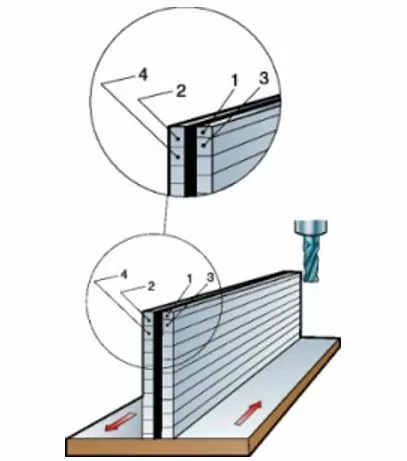
Vibration in milling can occur due to limitations of cutting tools, tool holders, machine tools, workpieces, or fixtures. To minimize vibration, several strategies should be considered. 1. Cutting Tools (1) For face milling, the direction of cutting forces must be considered: When using a 90° milling cutter, cutting forces are mainly radial. This causes tool […]
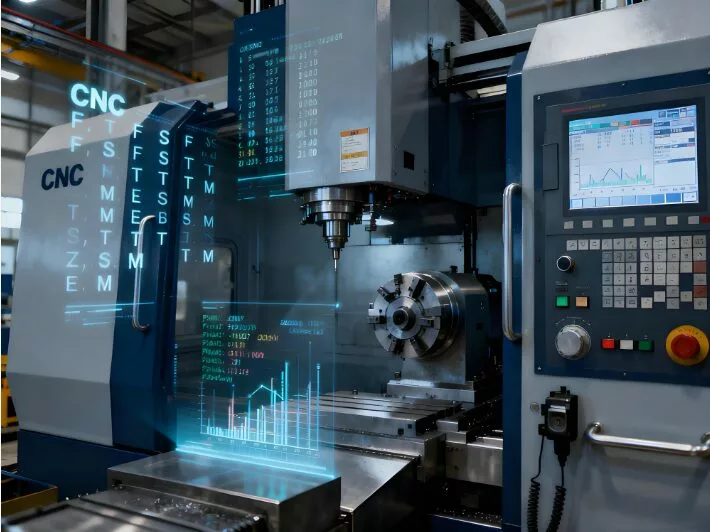
This document provides a comprehensive overview of essential function codes used in CNC (Computer Numerical Control) programming. These codes, including F, S, T, and M, control critical aspects of the machining process such as feed rates, spindle speeds, tool selection, and auxiliary functions. F Function: Feed Rate Control The F code is used to command […]
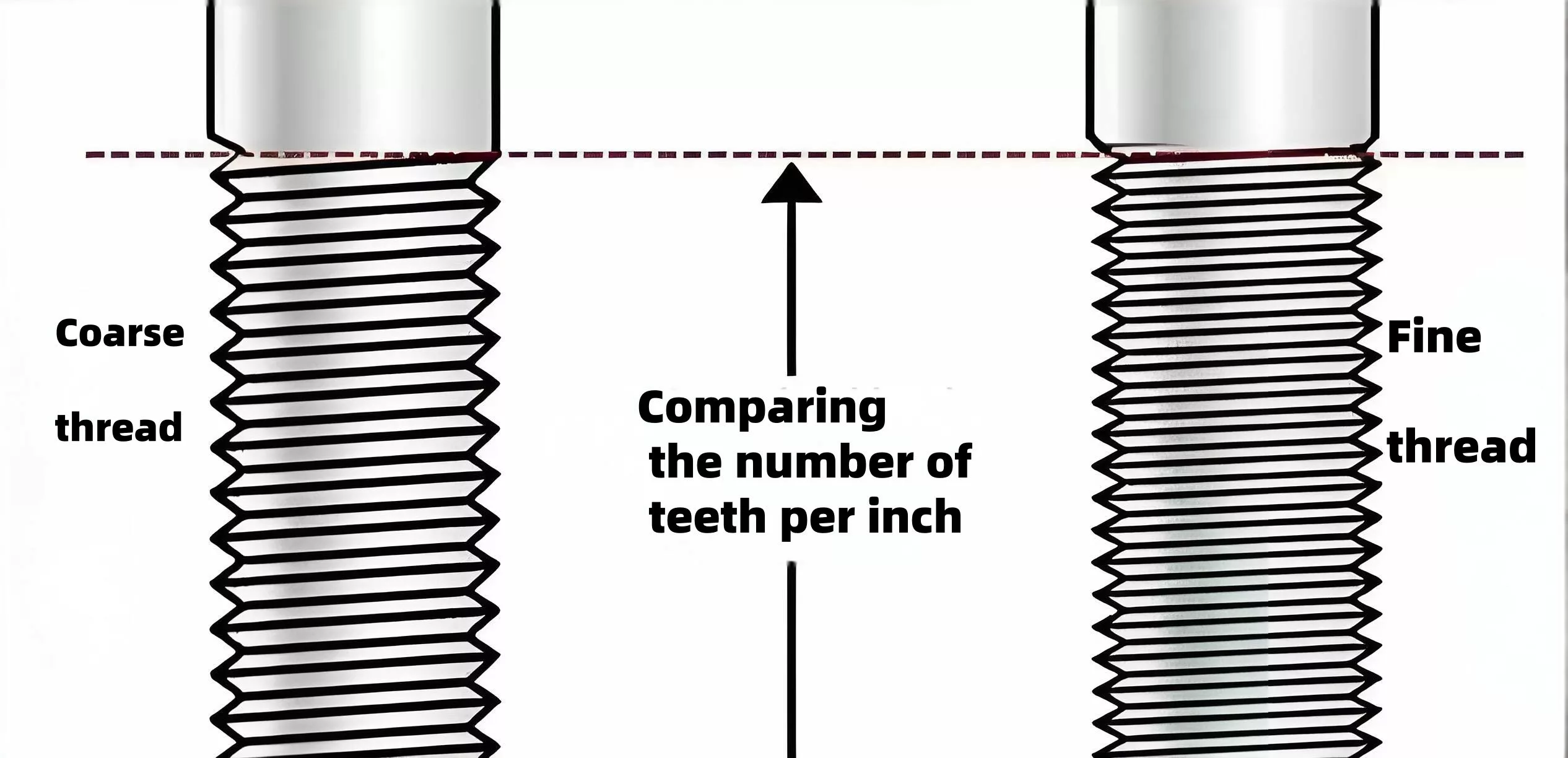
To what degree of precision can a thread be classified as a fine thread? We may define it as follows: coarse threads can be regarded as standard threads, while fine threads are defined in relation to coarse threads. For the same nominal diameter, the number of threads per inch varies, meaning the pitch differs. Coarse […]
During the machining process, vibration and tool chatter are common issues. These problems lead to chatter marks on the workpiece surface, as well as increased rework and scrap rates. Today, saimotools has compiled 12 methods to reduce cutting vibrations in CNC milling machines. 01 Use Sharp Inserts to Reduce Cutting Force Indexable inserts are divided […]
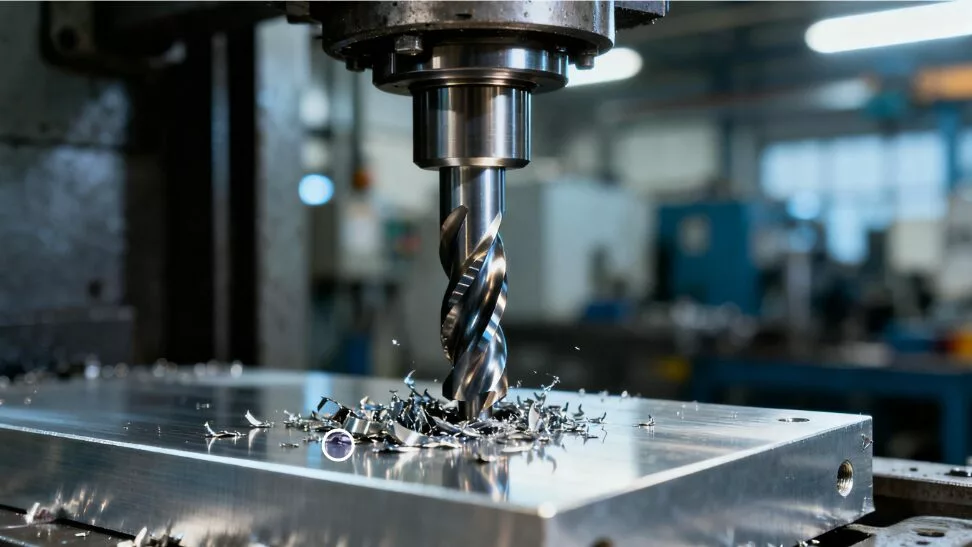
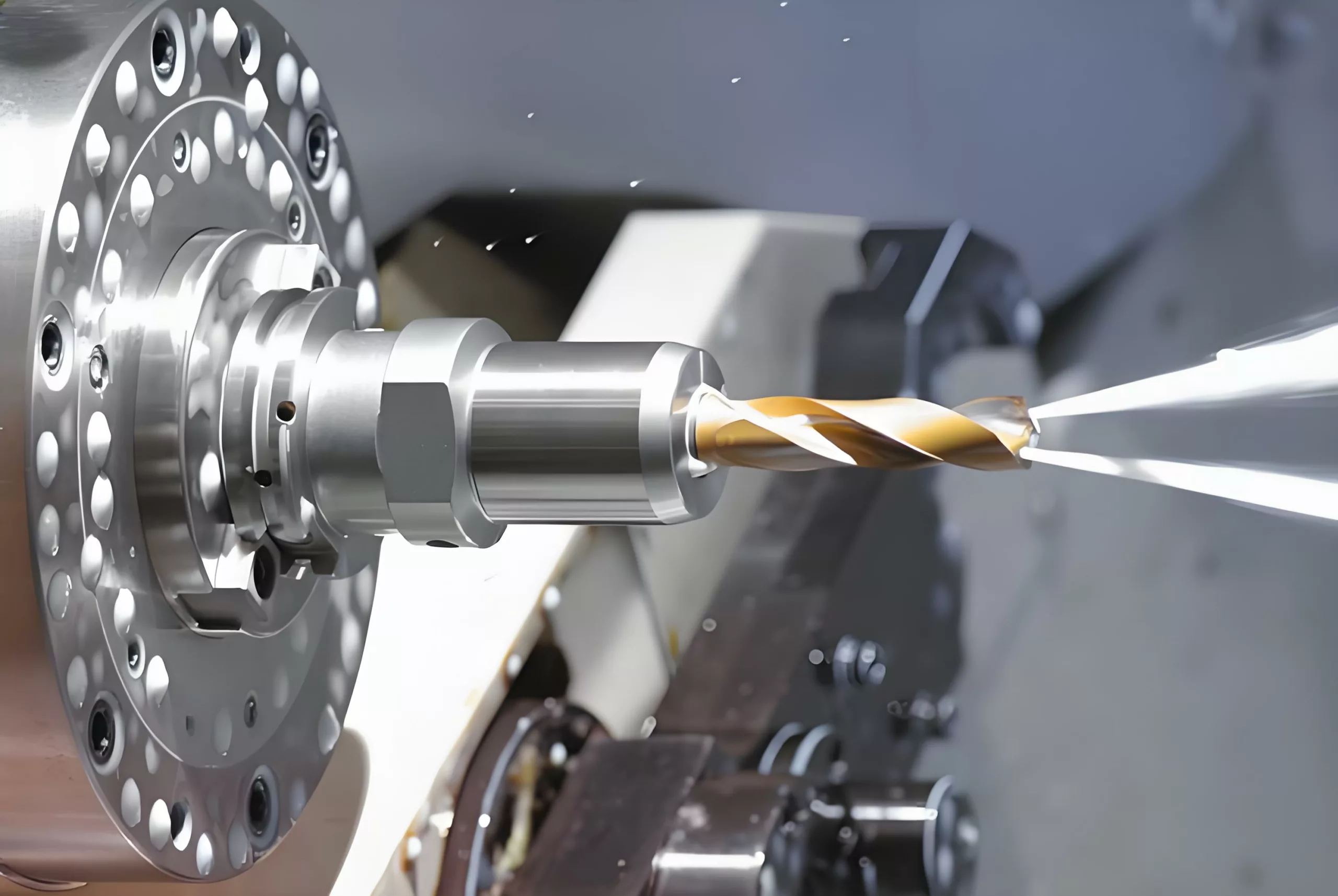
1. Drilling Drilling is the first process for creating holes in solid materials, with the drilled hole diameter typically less than 80mm. There are two drilling methods: One involves the drill bit rotating while the workpiece remains stationary. The other involves the workpiece rotating while the drill bit remains stationary. The errors caused by these […]
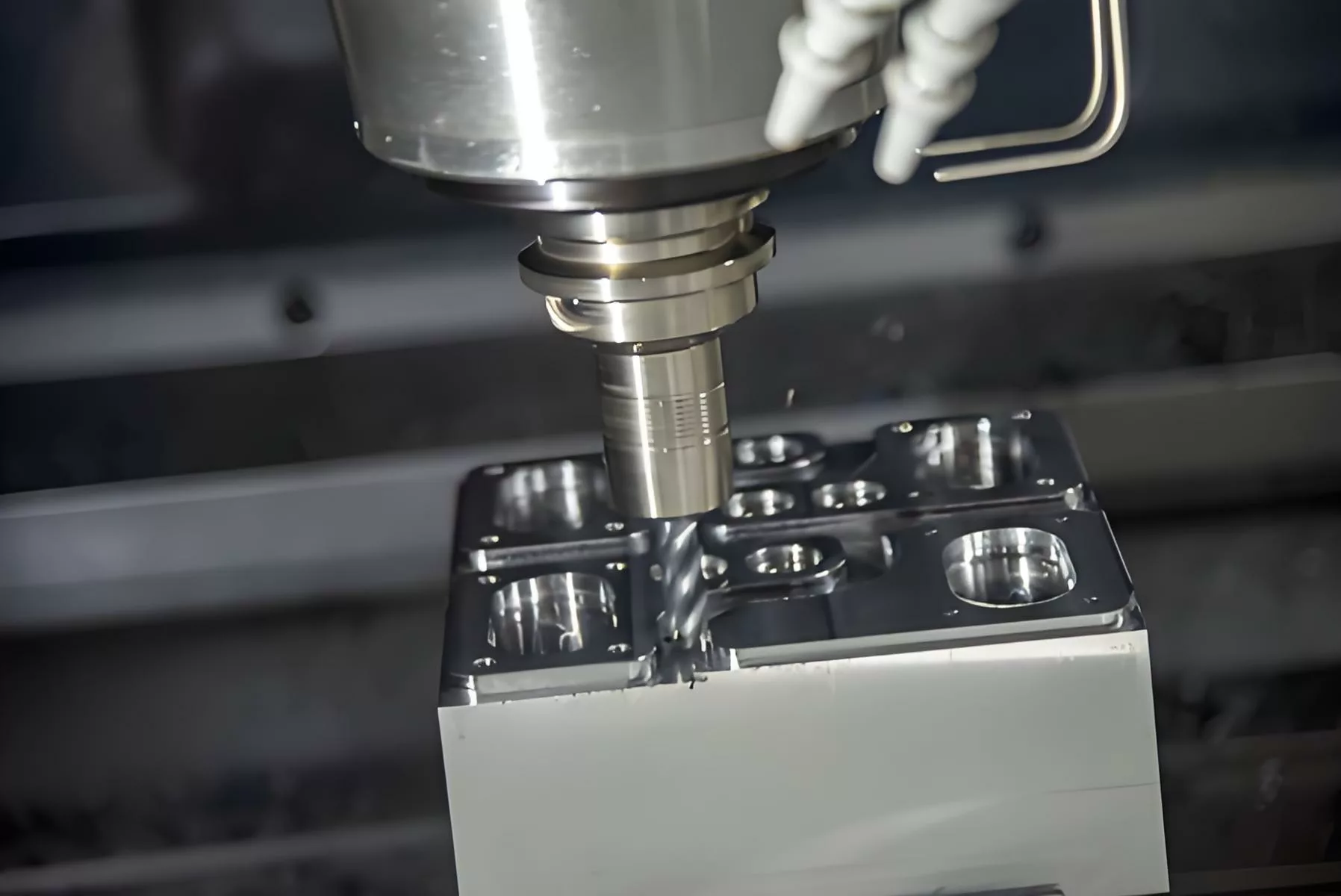
In manufacturing, milling and drilling processes are foundational for shaping workpieces into precise components, each tailored to specific surface, cavity, or contour requirements. From creating flat surfaces to machining complex 3D shapes, the right process selection directly impacts efficiency, precision, and tool life. Below is a detailed breakdown of seven key milling and drilling processes, […]
The choice between 2-flute and 4-flute end mills is a critical decision in CNC machining, influencing performance, efficiency, and part quality. While both tools share the fundamental purpose of material removal, their design differences lead to distinct behaviors across cutting forces, chip evacuation, surface finish, and tool life. This article explores these disparities with a […]